


Tech Enthusiasts Alert: India’s Smartphone Market Plunges 10% in Q2 2026, Reshaping Upgrade Cycles

The dynamic Indian smartphone market, a critical battleground for global tech giants, witnessed a significant downturn in Q2 2026, with a 10% year-over-year plunge in shipments. This contraction, as revealed by recent market intelligence reports, signals a pivotal shift in consumer behavior, directly impacting mobile enthusiasts. The primary driver behind this decline is the escalating price of devices, compelling value-conscious consumers to extend their smartphone upgrade cycles, a trend that reshapes the landscape for new device adoption and innovation.
Top 5 smartphone brands in India
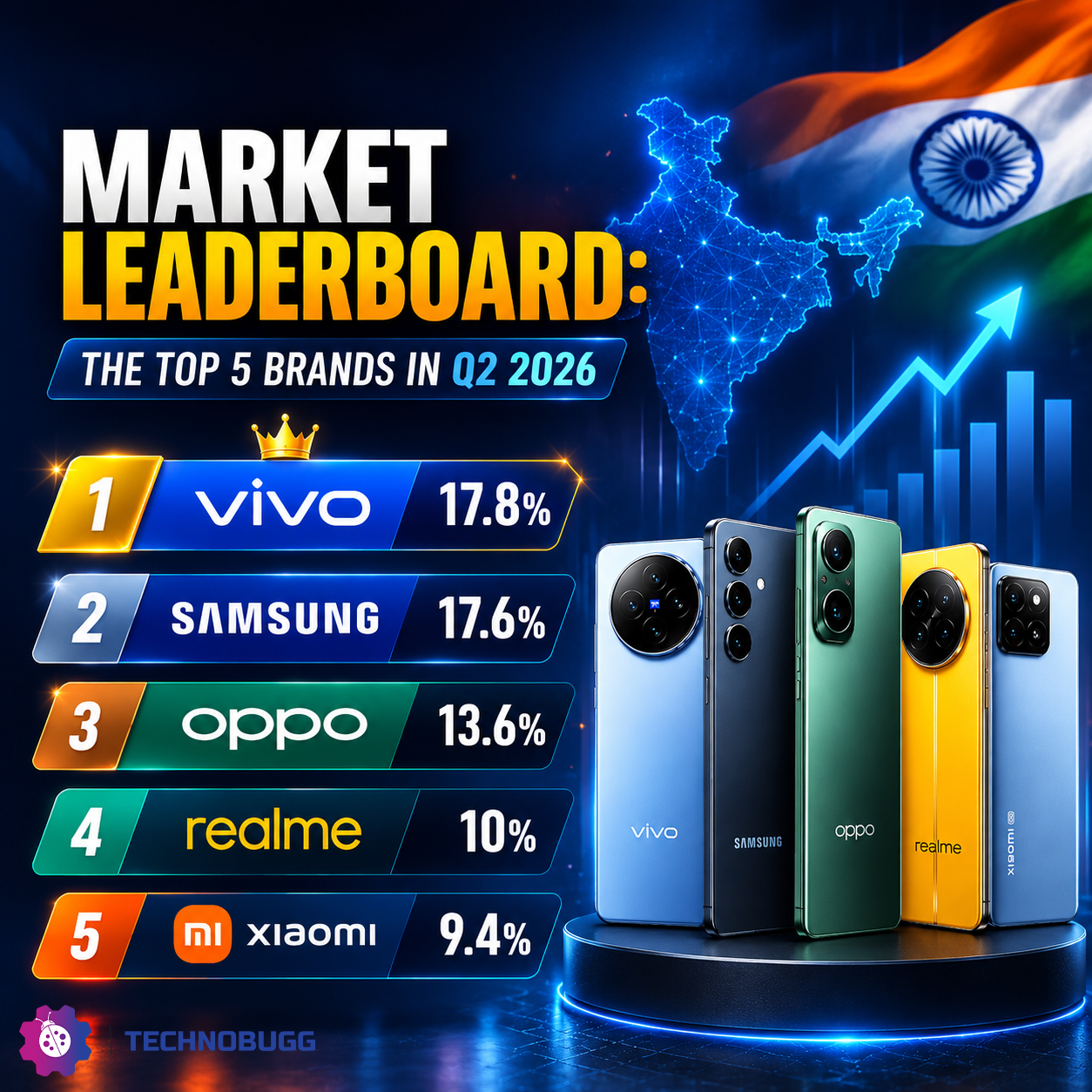
Despite the overall market contraction, the competitive landscape among brands remains intense. Vivo emerged as the market leader, capturing 17.8% of the share, closely followed by South Korean powerhouse Samsung at 17.6%. OPPO secured the third spot with 13.6%, while Realme and Xiaomi rounded out the top five with 10% and 9.4% respectively. For tech enthusiasts, these figures highlight the shifting allegiances and brand dominance in a challenging economic climate.
A critical insight for understanding consumer purchasing behavior is that smartphone financing, particularly through Equated Monthly Installments (EMI), now accounts for over 50% of mainline smartphone sales. This trend underscores the increasing reliance on payment plans to acquire devices, especially as prices rise. Interestingly, premium brands such as Apple and Samsung demonstrated remarkable resilience amidst the downturn, indicating a sustained demand for high-end devices among a segment of consumers. Furthermore, the quarter saw exciting growth stories: Nothing recorded an impressive 105% year-over-year shipment growth, signaling strong appeal among early adopters and design-conscious users. Google also made significant strides, emerging as the fastest-growing smartphone brand in the ultra-premium segment (devices priced above INR 45,000) with a robust 68% YoY growth, a testament to the increasing demand for its Pixel offerings and advanced software experiences.
While some brands thrived, others faced headwinds. OnePlus managed to increase its shipments, driven by consistent consumer demand, suggesting its mid-to-premium offerings continue to resonate. Conversely, iQOO experienced a notable decline, with its market share falling from 4.4% to 1.7%, a significant setback in a fiercely competitive market. The report also highlights a particularly challenging period for budget-focused brands like Xiaomi and Realme. These brands were disproportionately affected by rising memory costs, which translated into higher smartphone prices, subsequently dampening demand in the crucial entry-level and affordable segments—a direct blow to cost-conscious consumers and those seeking accessible technology.
We recommend you to keep browsing Android Den to get more interesting news from the world of technology and also for amazing tips & tricks for your gadget that will help you to bring out maximum from your companion. You can follow us on Facebook, Twitter, and Instagram to get the notifications instantly.
